High PnL players are not your friends
A huge profit screenshot tells you who won. It does not tell you how many wallets paid for that result, or why the winner would help you become their competition.
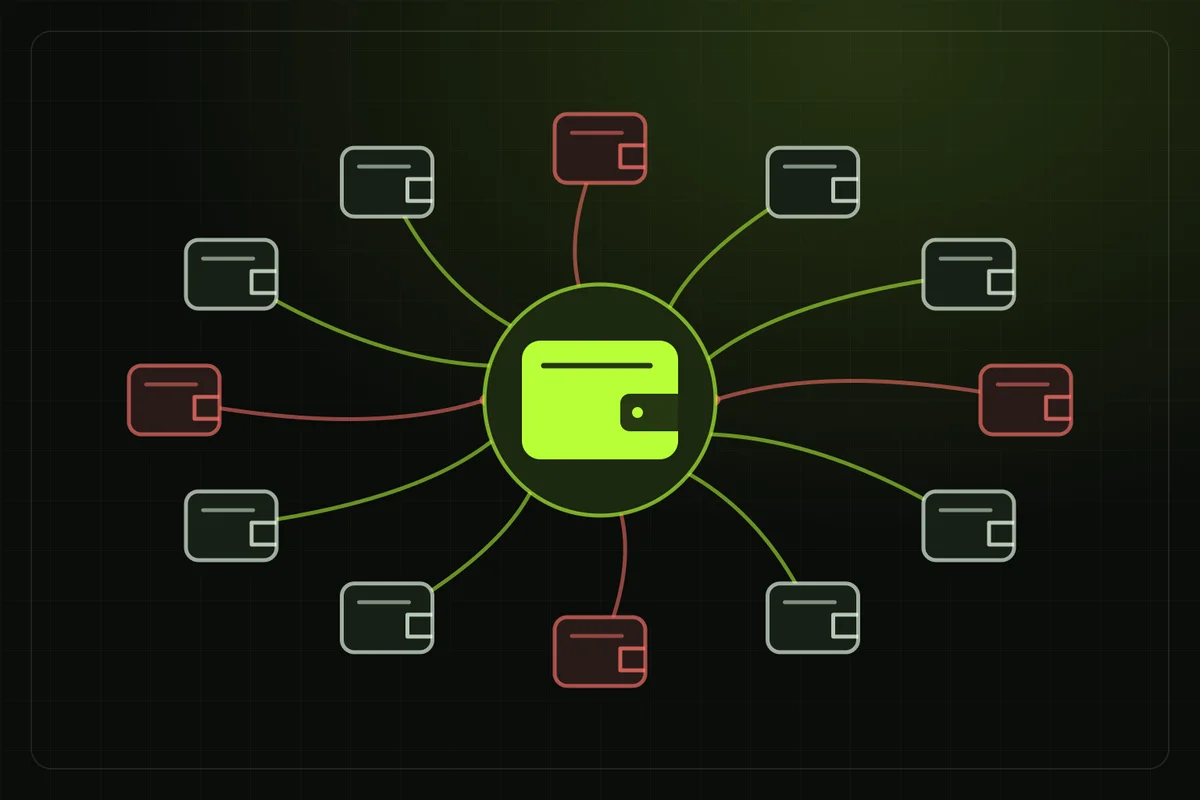
PnL needs a losing side
In short-term memecoin trading, realized trading profit is transferred between participants. If one trader closes the month up $200,000, other participants on the opposite side collectively gave up that value. The exact path can involve many trades and many wallets, but the money did not appear by itself.
After fees, the game gets worse
Before costs, the transfer between winners and losers is close to zero-sum. Then terminal fees, protocol fees, priority fees, tips and slippage remove value from the pool. Traders as a group receive less than they put in. For active memecoin trading, negative-sum is the more useful model.
A simple example
Imagine traders collectively lose $1,000,000 in closed positions. The winning side cannot take the full million because part of it was already paid to infrastructure and lost through execution. What remains becomes somebody else's realized PnL.
The bigger the visible winner, the more useful it is to ask where the other side of the result came from.
Why the winner is not your ally
A high-PnL trader may publish useful information, but their incentives are not automatically aligned with yours. They need liquidity, entries and exits. Newer traders often provide all three. Copying a wallet late can turn somebody else's exit into your entry.
Memecoins make extraction easier
This market has rugs, coordinated launches, hidden supply, aggressive insiders and developers who sell into a narrative they helped create. A good idea can still become a bad trade when the people closest to the token use attention as exit liquidity.
What to look for
- A profit screenshot without position size or drawdown
- A wallet shared only after the move already happened
- A caller holding tokens before the public entry
- A developer selling while the narrative is still being promoted
Study the winner. Never assume you are on the same side.